
For Elephant Room Studio Children Productions we look to create content that is aligned with “Rated G” in accordance with the Motion Picture Association
*Please be prepared to provide at least 3 reference or endorsement letters, (a combination of collegiate, trade, and domestic)
Executive Producer
Advocate or champion during the early production phases by applying their expertise, counsel, and resources in service towards the legitimacy and manifestation of the production, and securing financing during those early phases (i.e. ideation, development, pre-production), assuming risk prior to the attraction of financing entities during later phases of the production; &
- Knowledge of Bankability, and Attachment.
- The financing secured is an essential portion (no less than 25%); -&/or-
- Making a significant contribution to the development of the literary property, which may include the securement of the underlying rights to the material on which the animated production is based on, and also taking on managerial and creative responsibilities.
–
Producer
The “Produced By” credit applies to individuals primarily responsible for the origination of and/or the managing of an animated feature film’s production and delivery. This role involves personally making regular, continuous, and substantial decisions regarding production, budgetary, and legal concerns in a constructive and responsible manner across the film’s four stages of production. A primary producer’s responsibilities across the four stages of production typically include performance of the following producing functions in a decision-making capacity:
- Development: Developing the film’s concept and visuals, securing rights and initial funding, selecting the writer, and guiding the development process.
- Pre-production: Selecting key creative and animation production team members, finalizing the script, schedule, and budget.
- Production: Overseeing daily operations, consulting with and resolving issues raised by the key animation production and creative staff, and liaising with financial, studio and/or distribution partners.
- Post production & Marketing: Engaging closely with post production teams and strategizing on marketing and distribution.
–
Art Director: Food Illustration, Product Placement
The Art Director will be responsible for applying the 60:30:10 color schemes, and studying food from cultures around the world, in the context of cultural branding. Also, Pomology- the botanical study of fruits and their cultivation. In addition, to knowledge of Food Preparation, Packaged foods, Food dishes, Spices, National dishes, Drinks, Cutlery, and more…
–
Story
(Writing & Research)
Story (n.1)
“connected account or narration, oral or written,” c. 1200, originally “narrative of important events or celebrated persons of the past, true or presumed to be; history,” from Anglo-French storie, estorie, Old French estoire “story, chronicle, history,” and directly from Late Latin storia, shortened from Latin historia “history, account, tale, story” (see history)
History (n.)
late 14c., “relation of incidents” (true or false), from Old French estoire, estorie “story; chronicle, history” (12c., Modern French histoire), from Latin historia “narrative of past events, account, tale, story,” from Greek historia “a learning or knowing by inquiry; an account of one’s inquiries; knowledge, account, historical account, record, narrative,” from historein “be witness or expert; give testimony, recount; find out, search, inquire,” and histōr “knowing, expert; witness,” both ultimately from PIE *wid-tor-, from root *weid- “to see,” hence “to know.”
Thus it is related etymologically to Greek idein “to see,” eidenai “to know,” and to idea and vision. Beekes writes of histōr that “The word itself, but especially the derivations … that arose in Ionic, have spread over the Hellenic and Hellenistic world together with Ionic science and philosophy.”
In Middle English it was not differentiated from story (n.1); the sense of “narrative record of past events” probably is first attested late 15c. The modern meaning “recorded events of the past” is from late 15c., as is use of the word in reference to a branch of knowledge. The meaning “a historical play or drama” is from 1590s.
The sense of “systematic account (without reference to time) of a set of natural phenomena” (1560s) is now obsolete except in natural history (as late as the 1880s published county histories in the U.S. routinely included natural history chapters, with lists of birds and fishes and illustrations of local slugs and freshwater clams). The meaning “an eventful career, a past worthy of note” (a woman with a history) is from 1852. To make history“be notably engaged in public events” is from 1862.
8 parts of speech: nouns, pronouns, verbs, adjectives, adverbs, prepositions, conjunctions, & interjections
2D Animator
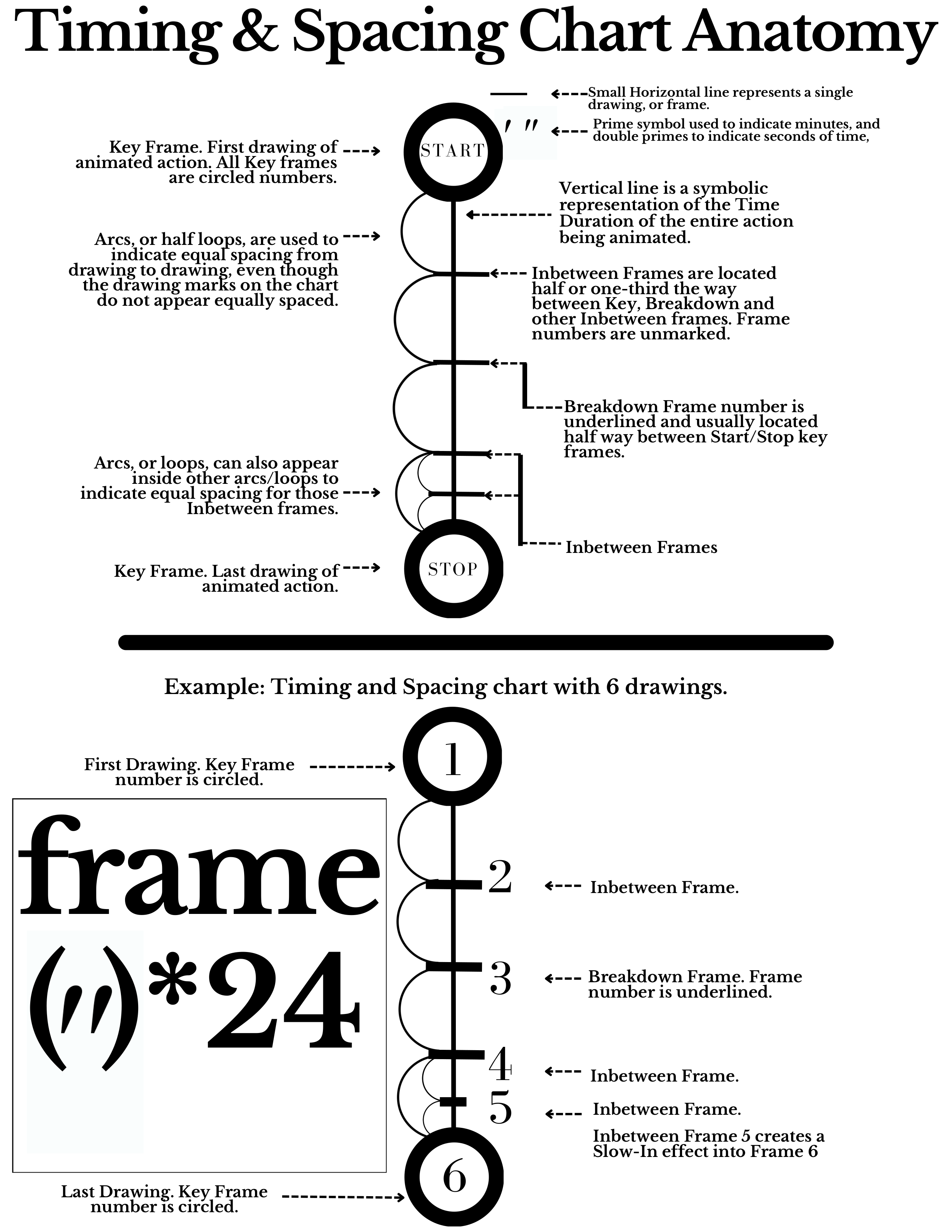
– Knowledge of the 12 principles of animation: Squash and stretch, Anticipation,Staging,Straight ahead action and pose to pose,Follow through and overlapping action, ease in and out, Arc or Trajectory, Secondary action,Timing & Spacing (animation physics, and anatomy- joints, muscles, materials, structure), Exaggeration, Solid drawing,Appeal.
Background Designers & Painters
-Strong portfolio in the areas of landscape painting, cityscape drawings, and experience in En plein air paintings a plus.
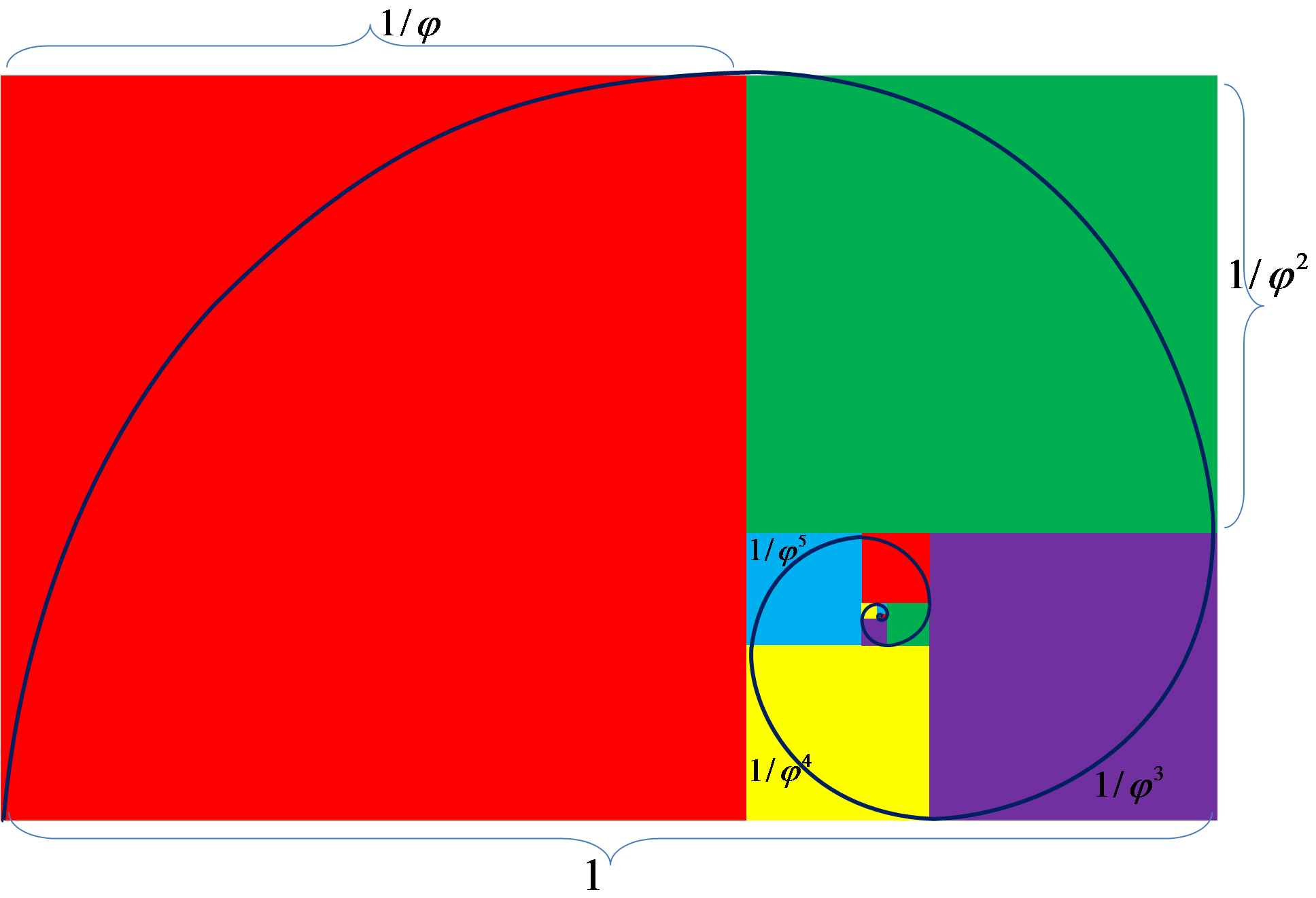
-Knowledge of Composition: Rule of Thirds, Lead Line, Rhythm, Pattern, Repetition, Depth of Field, Fill the Frame, Left to Right Rule, Rule of Odds, Framing, Balancing Elements, Symmetry, Atmospheric Perspective, Viewpoint, Depth, Negative Space, Differential Focus, Triangles and Diagonals
Parallax Effect: separating foreground, middle ground, and background into layers
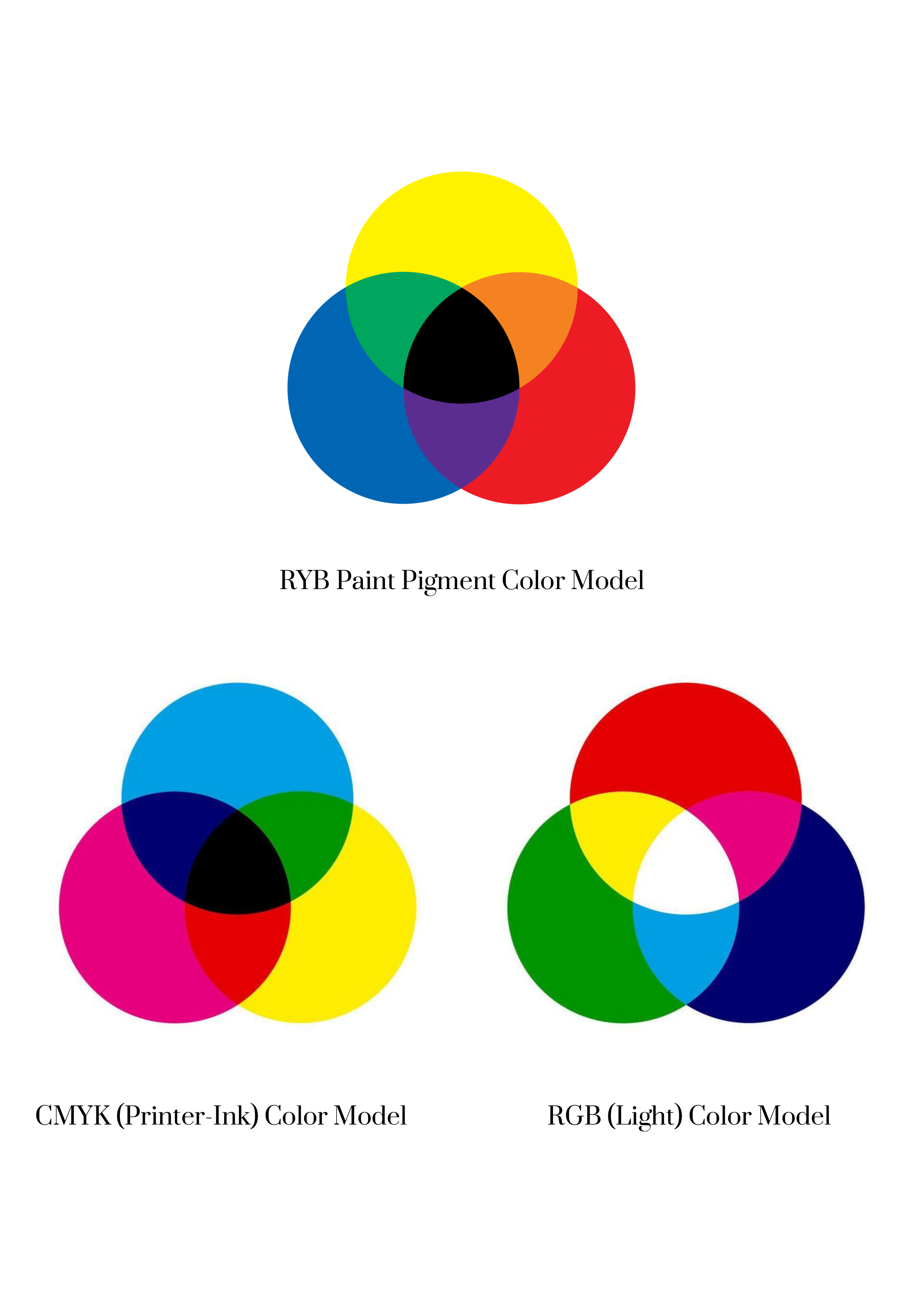
-Working knowledge of the Color Wheel, Color Theory, Color Harmony
-Mediums: Gouache, Traditional Watercolor, Ink, Acrylic, Water soluble Oil paint.
Open to Experimentation, research and development with pigments, custom colors, and custom paints from traditional pigments like Murex brandaris, and other snails in the Muricidae family. Also, pigments based on Brazil wood, Turquoise, and others…

Composition Theory
Composer
Write thematic score for Title Scenes
Write the score based on script pacing, and storyboards, compiling all the musical sections needed for the film.
Meets with the director and movie producers, when the film has been shot and is being edited, to discuss music needs for the film.
Takes part in a spotting session, in which the film composer, director and others watch the movie and decide where each segment of music should start and stop in the film, why it’s being included and how it should sound.
The score for a feature film is usually about half the length of the film, so a composer would probably have to write about 50 minutes of music for a 100-minute movie.
Prepares scores for the musicians, or gives notes and a rough score to the arrangers and copyists so that they can provide a complete musicians’ score
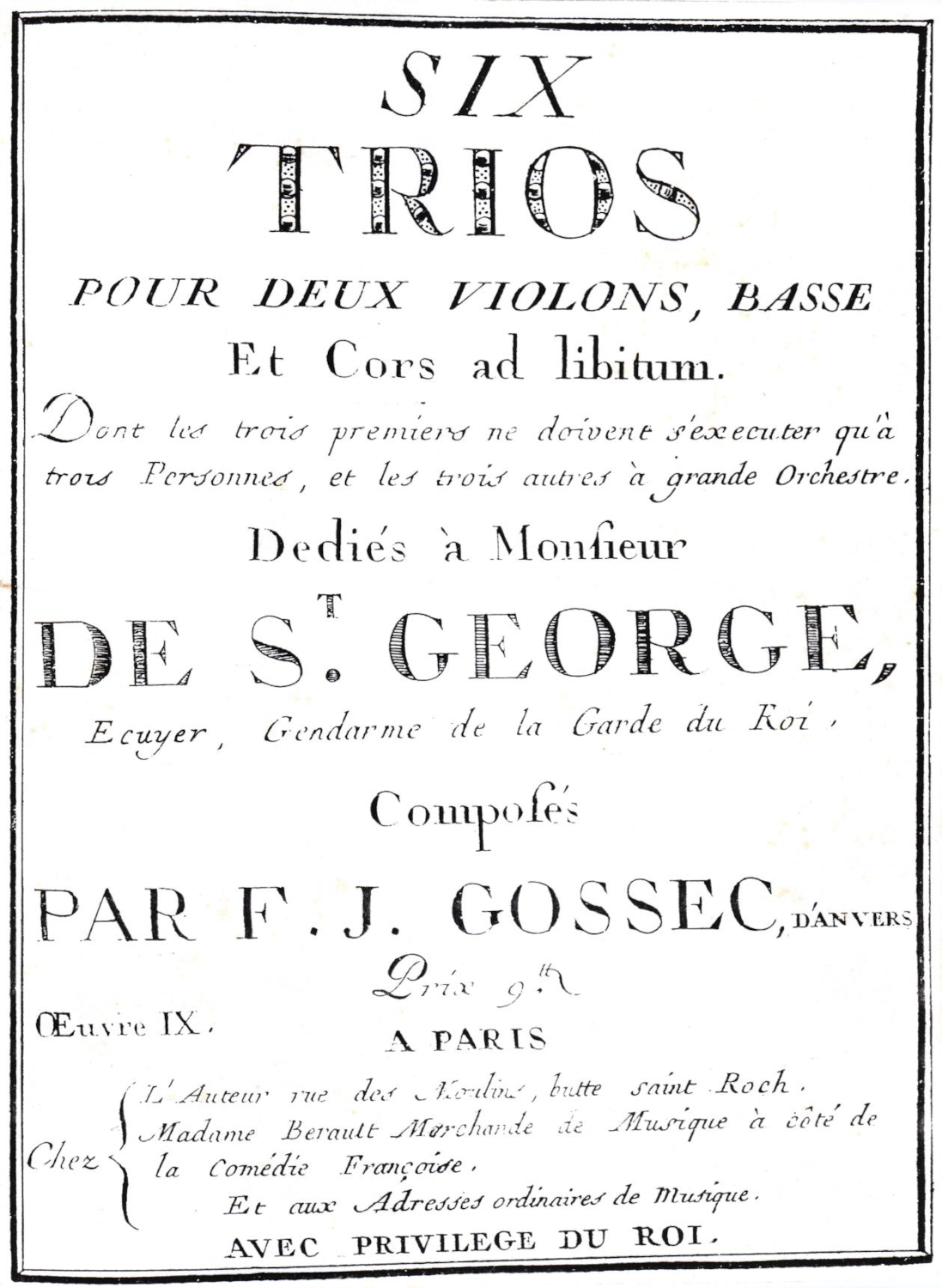
Knowledge of Historical Music Notations around the world a plus, the history and anatomy of musical instruments, and also knowledge of documented music from prominent composers past and present, across various cultures world-wide.

Matte Painter
With experience merging 2D & 3D animtion sequences
Has worked on at least 2 motion picture film projects including short, and long format
Excellent Reel, and body of work
Email: Swainfuller@gmail.com
with résumé, portfolio, website, reel (if applicable), 4-6 Sentence Cover Sheet
and 2 professional reference letters, 1 can be from a professor/instructor.
© 2026 Gregorian, © 5786 Hebrew, © 4724 马Chinese, © 115 Minguo, © 1404 Solar Hijari, © 1447 Hijri (Islamic), © 1387 Myanmar, © 2568 Thai, © 8 Reiwa ⾺, © 1432 Bengali © Saka samvat 1947, Vikram samvat 2082 © 2018 Ethiopian
 Elephant Room Studio